
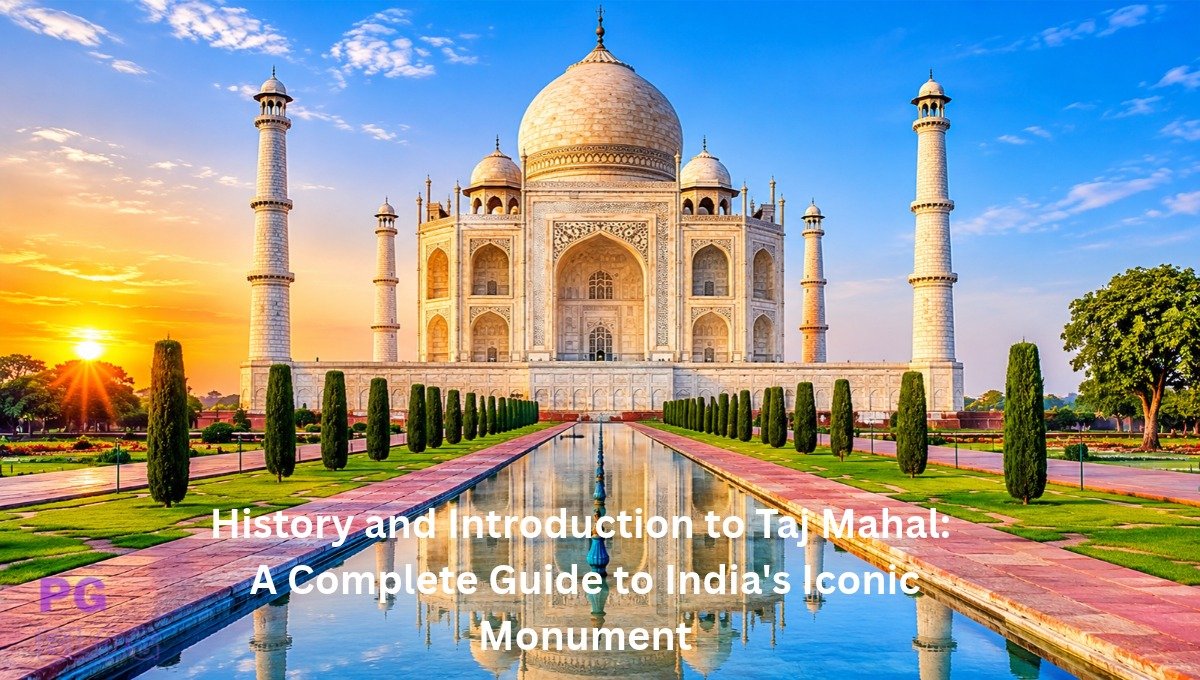
The Taj Mahal is one of the most beautiful and famous historical monuments in the world. Located in the city of Agra, in the Indian state of Uttar Pradesh, this magnificent white marble monument stands as a symbol of eternal love, beauty, and Mughal architecture. Every year, millions of tourists from India and various parts of the world visit to behold the Taj Mahal’s exquisite design, serene atmosphere, and captivating history.
Built by the Mughal emperor Shah Jahan in memory of his beloved wife Mumtaz Mahal, the Taj Mahal represents a remarkable story of love and devotion. Its stunning white marble structure, beautiful gardens, decorative artwork, and perfectly balanced architecture make it one of the greatest achievements in Indian history.
The Taj Mahal is also recognized as a UNESCO World Heritage Site and is considered one of the New Seven Wonders of the World. Its historical importance and architectural beauty have made it an internationally recognized symbol of India.
In this article, we will explore the history and introduction to the Taj Mahal, including its construction, the Mughal emperor behind it, its architectural features, historical importance, and interesting facts.
1. Introduction to the Taj Mahal
The Taj Mahal is a world-famous white marble mausoleum situated on the southern bank of the Yamuna River in Agra, Uttar Pradesh, India. It was constructed during the Mughal period under the direction of Emperor Shah Jahan.
The monument was built to preserve the memory of Mumtaz Mahal, Shah Jahan’s favourite wife, who died in 1631 while giving birth to their fourteenth child. Deeply affected by her death, the emperor decided to build a magnificent tomb in her memory.
The construction of the Taj Mahal began around 1632 and the main mausoleum was substantially completed in 1648. Additional buildings and landscaping continued until approximately 1653.
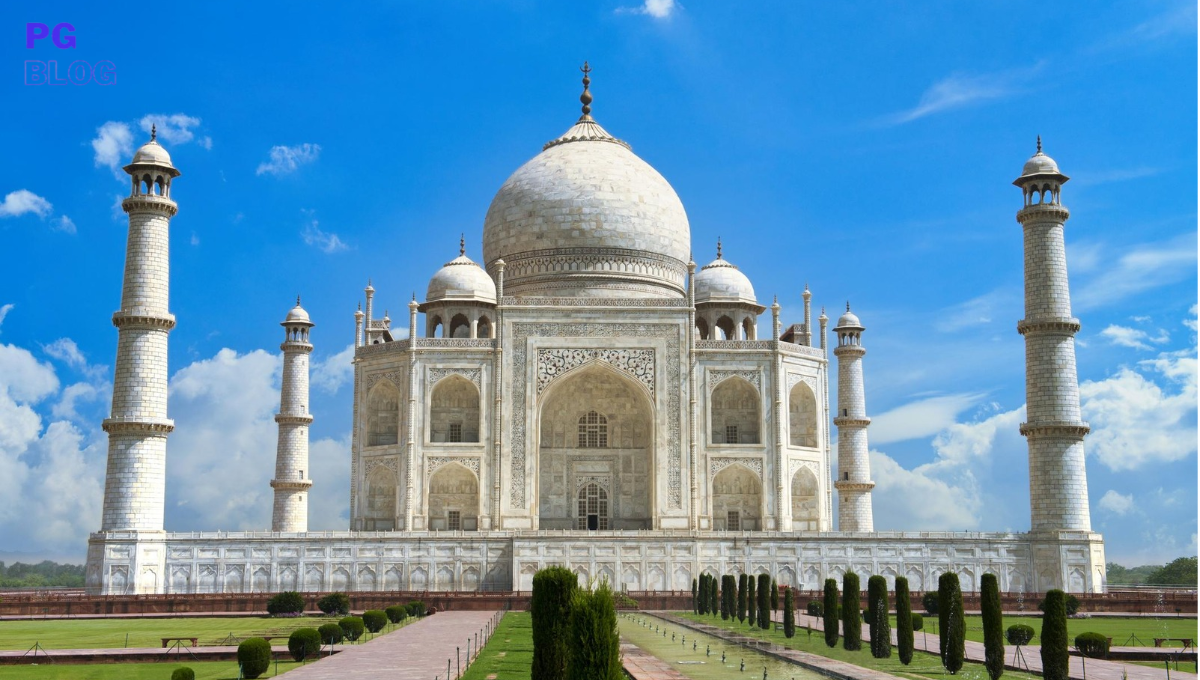
The Taj Mahal is famous for its white Makrana marble, impressive central dome, four elegant minarets, beautiful Islamic calligraphy, and detailed floral decorations.
Today, it is not only an important historical attraction but also a symbol of India’s rich cultural heritage. Its beauty changes throughout the day as sunlight creates different shades on its white marble surface.
2. Where Is the Taj Mahal Located?
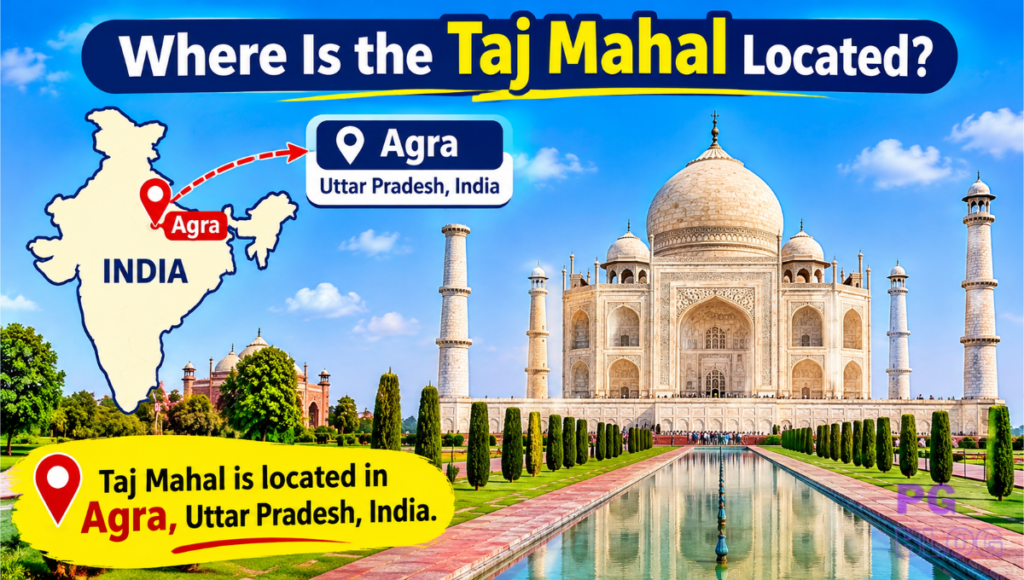
The Taj Mahal is located in the historic city of Agra, in the northern Indian state of Uttar Pradesh. Agra is situated along the Yamuna River and is approximately 230 kilometres from New Delhi.
Agra was an important centre of the Mughal Empire and served as the capital of several Mughal rulers. The city is home to many historical monuments, including Agra Fort and Fatehpur Sikri.
The Taj Mahal stands on the southern bank of the Yamuna River. Its location provides a beautiful natural setting and adds to the monument’s historical and architectural importance.
Location details:
- Monument: Taj Mahal
- City: Agra
- State: Uttar Pradesh
- Country: India
- River: Yamuna River
- Construction period: 1632–1653 (approximately)
- Builder: Mughal Emperor Shah Jahan
- Dedicated to: Mumtaz Mahal
Because of its historical importance and extraordinary beauty, Agra has become one of India’s most popular tourist destinations.
3. Who Built the Taj Mahal?
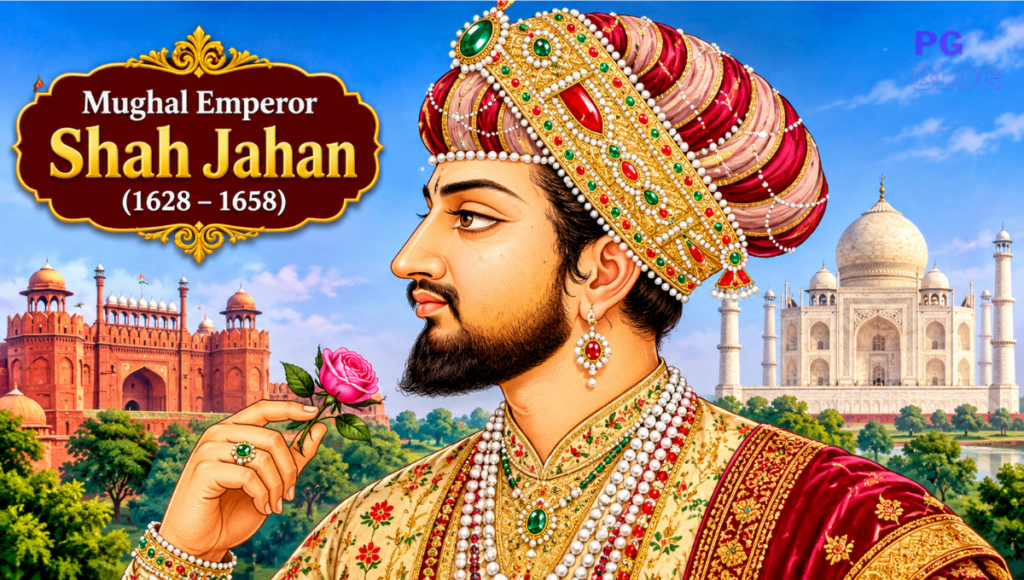
The Taj Mahal was commissioned by Mughal Emperor Shah Jahan, who ruled the Mughal Empire from 1628 to 1658. He was one of the most powerful and influential rulers of the Mughal dynasty.
Shah Jahan was famous for his interest in art, architecture, and beautiful buildings. During his reign, Mughal architecture reached a remarkable level of artistic excellence. Several famous monuments were constructed under his leadership.
Shah Jahan commissioned the monument after the death of his wife, Mumtaz Mahal, as a lasting memorial to their relationship. He wanted to create a structure that would preserve her memory for generations.
The monument was designed by a team of architects, engineers, craftsmen, calligraphers, and artists. Ustad Ahmad Lahori is traditionally credited as the chief architect, although the project involved many skilled professionals.
The Taj Mahal demonstrates the extraordinary artistic and architectural capabilities of the Mughal Empire.
4. The Love Story Behind the Taj Mahal
Shah Jahan was originally known as Prince Khurram. He met Arjumand Banu Begum, who later became known as Mumtaz Mahal, in 1607. They married in 1612.
Mumtaz Mahal became one of the most important people in Shah Jahan’s life. She accompanied him during many royal journeys and was a trusted companion.
Unfortunately, Mumtaz Mahal died on June 17, 1631, in Burhanpur while giving birth to their fourteenth child. Her death deeply affected Shah Jahan.
According to historical accounts, the emperor was devastated by the loss of his beloved wife. He decided to build a magnificent mausoleum in her memory.
The Taj Mahal became the result of this decision.
The monument is widely regarded as a symbol of eternal love because of the emotional story behind its construction. Its beauty, elegance, and peaceful atmosphere continue to attract couples, families, historians, and tourists from around the world.
Although the Taj Mahal is primarily a historical tomb, its association with Shah Jahan and Mumtaz Mahal has made it one of the world’s most recognized symbols of love.
5. History of the Construction of the Taj Mahal
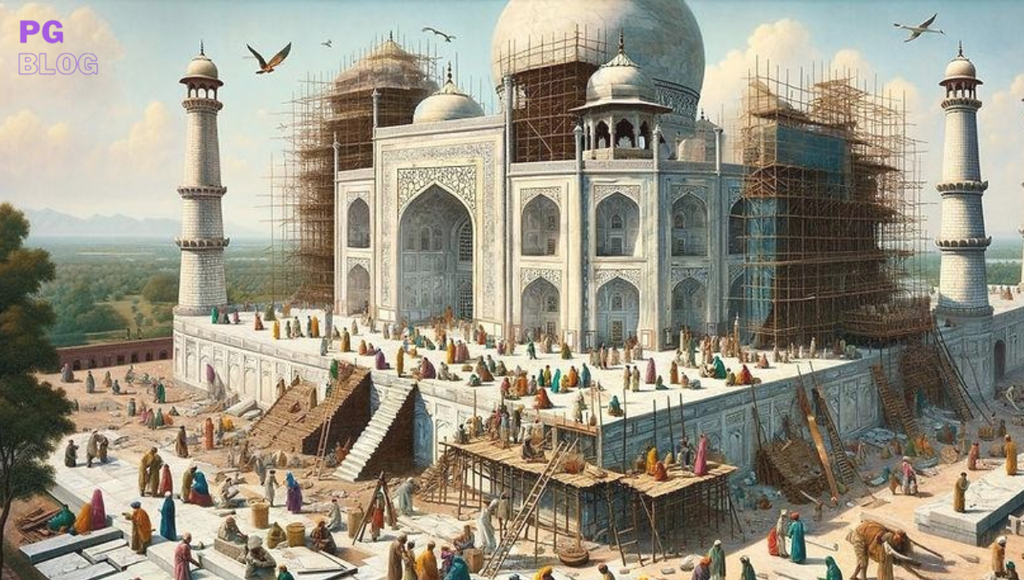
The construction of the Taj Mahal began around 1632. Shah Jahan wished to build an extraordinary monument that would reflect the significance of his wife and preserve her memory.
The construction project required thousands of skilled artisans, including masons, stone cutters, calligraphers, painters, sculptors, and other craftsmen.
Historical accounts describe the involvement of artisans from various regions within the Mughal Empire and beyond. Their combined expertise contributed to the creation of the monument’s remarkable architectural details.
The main structure was built using white marble brought from Makrana in Rajasthan. Other materials, including precious and semi-precious stones, were used for decorative inlay work.
The construction process involved several significant stages:
Stage 1: Planning and Design
Architects and engineers developed the overall design of the monument, combining Persian, Islamic, and Indian architectural traditions.
Stage 2: Foundation and Construction
The foundation was prepared near the Yamuna River, and construction of the main mausoleum began.
Stage 3: Marble Work
White marble was used to construct the central structure, dome, walls, and decorative architectural elements.
Stage 4: Decorative Artwork
Skilled craftsmen added calligraphy, floral patterns, precious stone inlays, and detailed carvings.
Stage 5: Gardens and Surroundings
Beautiful gardens, pathways, water channels, and reflecting pools were developed around the monument.
The main mausoleum was substantially completed in 1648, while the wider complex was completed around 1653.
6. Architecture and Design of the Taj Mahal
The architecture of the Taj Mahal is one of the finest examples of Mughal architectural design. It combines Persian, Islamic, and Indian architectural elements to create a unique and beautiful structure.
The monument was carefully designed to achieve perfect balance, symmetry, and harmony. Every part of the building contributes to its overall appearance.
1. The Main White Marble Dome
The central dome is the most recognizable feature of the Taj Mahal. It rises above the main mausoleum and gives the building its distinctive appearance. The dome is surrounded by smaller decorative domed structures called chhatris.
2. Four Minarets
Four tall minarets stand at the corners of the main marble platform. They enhance the monument’s symmetry and elegance. Their slight outward inclination is traditionally understood as a safety feature intended to reduce the risk of the towers falling toward the central mausoleum in an earthquake.
3. Beautiful Marble Work
The Taj Mahal is famous for its detailed marble decorations. Craftsmen used a traditional technique known as Pietra Dura, in which small pieces of coloured stones are carefully inserted into marble to create decorative patterns.
4. Islamic Calligraphy
Beautiful Arabic calligraphy decorates several entrances and surfaces of the monument. The inscriptions mainly include passages from the Quran and were designed as an important part of the building’s religious and artistic character.
5. Symmetrical Design
The entire complex follows a carefully planned symmetrical layout. The main mausoleum, gardens, pathways, and surrounding structures create a visually balanced environment.
These architectural features demonstrate the creativity, engineering knowledge, and craftsmanship of Mughal artists.
7. Materials Used in the Construction of the Taj Mahal
The Taj Mahal is famous for its brilliant white marble appearance. However, its construction involved several different materials collected from various regions.
The most important materials included:
- White Marble: The main marble was brought from Makrana in Rajasthan.
- Red Sandstone: Used in several surrounding buildings and architectural elements.
- Precious Stones: Semi-precious stones were used to create beautiful floral and geometric designs.
- Brick and Lime Mortar: Used in the internal construction and structural foundations.
- Decorative Materials: Marble carving, coloured stone inlay, and calligraphy enhanced the beauty of the monument.
Some decorative stones came from distant regions, including Central Asia and other parts of the Indian subcontinent.
The combination of these materials created a magnificent structure that continues to attract the attention of architects, historians, and researchers.
The white marble also gives the Taj Mahal a special visual quality. Depending on the sunlight and weather, the monument can appear slightly different in colour throughout the day.
8. Taj Mahal Garden and Surrounding Complex
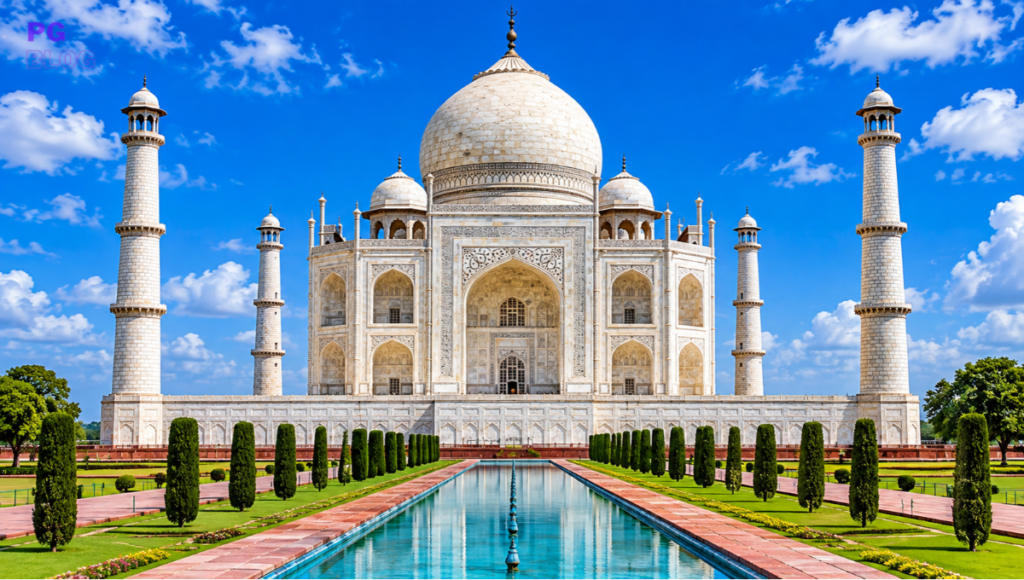
The Taj Mahal is not just a single building. It is an extensive architectural complex consisting of gardens, gateways, a mosque, a guest house, and other structures.
One of its most attractive features is the beautiful Mughal garden, traditionally known as the Charbagh garden.
The garden is divided into four main sections by pathways and water channels. This design reflects the traditional Persian garden concept and creates a peaceful atmosphere around the monument.
Important parts of the Taj Mahal complex include:
Main Gateway: The grand entrance welcomes visitors into the monument’s garden complex.
Charbagh Garden: The beautifully arranged garden features green lawns, trees, pathways, and water channels.
Reflecting Pool: The long water pool in front of the mausoleum creates a stunning reflection of the Taj Mahal.
Mosque: A red sandstone mosque stands on the western side of the main mausoleum.
Guest House: A similar building stands on the eastern side, maintaining the architectural balance of the complex.
Main Mausoleum: The central white marble structure contains the cenotaphs of Mumtaz Mahal and Shah Jahan, while their actual graves are located in the lower burial chamber.
The combination of gardens, water features, and architectural structures makes the Taj Mahal complex an outstanding example of Mughal landscape planning.
9. Why Is the Taj Mahal Famous Around the World?
The Taj Mahal is famous worldwide because of its extraordinary architecture, historical background, and emotional significance.
There are several reasons why it attracts millions of visitors.
A Symbol of Love: The monument represents Shah Jahan’s dedication to the memory of Mumtaz Mahal.
Outstanding Architecture: Its white marble construction, central dome, minarets, and decorative artwork make it one of the finest examples of Mughal architecture.
Historical Importance: It reflects the artistic achievements, wealth, and cultural traditions of the Mughal Empire.
UNESCO World Heritage Recognition: The Taj Mahal was officially added to the UNESCO World Heritage List in 1983 because of its exceptional cultural and architectural importance.
International Recognition: The monument is widely recognized as one of the New Seven Wonders of the World, following the global New7Wonders campaign in 2007.
Tourist Attraction: Visitors from different countries travel to Agra to experience its beauty and learn about its history.
For these reasons, the Taj Mahal has become an important symbol of India’s identity and cultural heritage.
10. Interesting Facts About the Taj Mahal
The Taj Mahal has many interesting historical and architectural details that make it even more fascinating.
Here are some interesting facts:
- The Taj Mahal is located in Agra, Uttar Pradesh, India.
- It was commissioned by Mughal Emperor Shah Jahan.
- It was built in memory of Mumtaz Mahal.
- Construction of the main mausoleum began around 1632.
- The main mausoleum was completed in 1648.
- The wider complex was completed around 1653.
- The monument is primarily constructed with white Makrana marble.
- Ustad Ahmad Lahori is traditionally credited as its chief architect.
- The Taj Mahal was declared a UNESCO World Heritage Site in 1983.
- Both Shah Jahan and Mumtaz Mahal are buried inside the mausoleum.
- Its architecture combines Persian, Islamic, and Indian influences.
- The monument’s marble appearance changes with different lighting conditions.
These facts show why the Taj Mahal remains one of the most remarkable historical monuments in the world.
11. Taj Mahal as a UNESCO World Heritage Site
The Taj Mahal received international recognition when it was included in the UNESCO World Heritage List in 1983.
UNESCO recognized the monument for its outstanding architectural and artistic achievements. It represents a remarkable combination of beauty, craftsmanship, and historical significance.
The monument is considered one of the greatest achievements of Indo-Islamic architecture. Its design demonstrates the remarkable skills of Mughal architects, engineers, and craftsmen.
UNESCO also recognizes the importance of preserving the Taj Mahal for future generations. Its white marble structure, decorative artwork, gardens, and surrounding environment require careful conservation.
The monument is an important part of India’s cultural heritage and attracts visitors, researchers, and historians from across the world.
Its UNESCO recognition has strengthened its international importance and helped establish it as one of the most celebrated historical landmarks in human history.
12. Historical Importance of the Taj Mahal in Indian History
The Taj Mahal holds a special place in Indian history because it represents the artistic and cultural achievements of the Mughal Empire.
During Shah Jahan’s reign, Mughal architecture reached an extraordinary level of development. The Taj Mahal demonstrates the empire’s engineering capabilities, artistic traditions, and access to skilled craftsmen and valuable building materials.
It also reflects the cultural exchange between different regions and artistic traditions. Persian, Central Asian, Islamic, and Indian influences can be seen throughout its design.
The monument is also an important educational resource. Historians and researchers study its construction techniques, architectural planning, inscriptions, decorative artwork, and historical background.
Today, the Taj Mahal contributes significantly to India’s tourism industry. It attracts international visitors and introduces them to the country’s history, architecture, and cultural traditions.
The monument is therefore much more than a beautiful building. It is a lasting record of India’s historical and artistic heritage.
13. Best Time to Visit the Taj Mahal
The Taj Mahal is beautiful throughout the year, but choosing the right time can make your visit more enjoyable.
Winter Season (October to March): This is generally considered one of the best periods to visit because the weather in Agra is relatively pleasant.
Summer Season (April to June): Temperatures can become very high, so visitors should plan their visit during the early morning hours.
Monsoon Season (July to September): The gardens become greener, and the monument can look particularly beautiful after rainfall. However, visitors may experience humid weather and occasional rain.
Early morning is especially popular because visitors can enjoy the peaceful atmosphere and beautiful views of the monument.
14. Conclusion: The Taj Mahal – A Timeless Symbol of Love
The Taj Mahal is one of the greatest historical monuments in the world. Its magnificent white marble architecture, fascinating history, beautiful gardens, and emotional connection with Shah Jahan and Mumtaz Mahal make it a truly extraordinary place.
Built during the Mughal period, this magnificent monument represents the artistic achievements and cultural richness of India. Its architectural beauty continues to inspire architects, historians, artists, and travellers.
From its impressive central dome to its detailed marble decorations, every part of the Taj Mahal tells a story of creativity, craftsmanship, and dedication.
Today, the Taj Mahal is not only a major tourist attraction but also an important symbol of India’s cultural heritage. Its international recognition as a UNESCO World Heritage Site makes it one of the most valuable historical treasures in the world.
The Taj Mahal is more than a monument; it is a timeless reminder of history, love, art, and architectural excellence.
Frequently Asked Questions (FAQs) About the Taj Mahal
1. Where is the Taj Mahal located?
The Taj Mahal is located in Agra, Uttar Pradesh, India, on the southern bank of the Yamuna River.
2. Who built the Taj Mahal?
The Taj Mahal was commissioned by Mughal Emperor Shah Jahan in memory of his beloved wife, Mumtaz Mahal.
3. When was the Taj Mahal built?
Construction began around 1632. The main mausoleum was completed in 1648, while the remaining complex was completed around 1653.
4. Why was the Taj Mahal built?
Shah Jahan built the Taj Mahal as a memorial to his wife Mumtaz Mahal, who died in 1631.
5. What materials were used to build the Taj Mahal?
The monument was primarily constructed using white Makrana marble, along with red sandstone, brick, lime mortar, and decorative semi-precious stones.
6. Is the Taj Mahal a UNESCO World Heritage Site?
Yes. The Taj Mahal was included in the UNESCO World Heritage List in 1983.
7. Who is buried inside the Taj Mahal?
The Taj Mahal contains the tombs of Mumtaz Mahal and Mughal Emperor Shah Jahan.
8. Why is the Taj Mahal famous?
It is famous for its beautiful Mughal architecture, white marble construction, historical significance, and association with the love story of Shah Jahan and Mumtaz Mahal.
